Scroll
LATEST
compass

Although the imperial ship has been a key location through which to theorize colonialism and the origins of racial capitalism, little research exists on the postcolonial ship as an analytical indicator for the persistence and distinctiveness of contemporary racial capitalism. This article explores a largely uncharted territory through a critical appraisal of postwar Greek‐owned shipping.
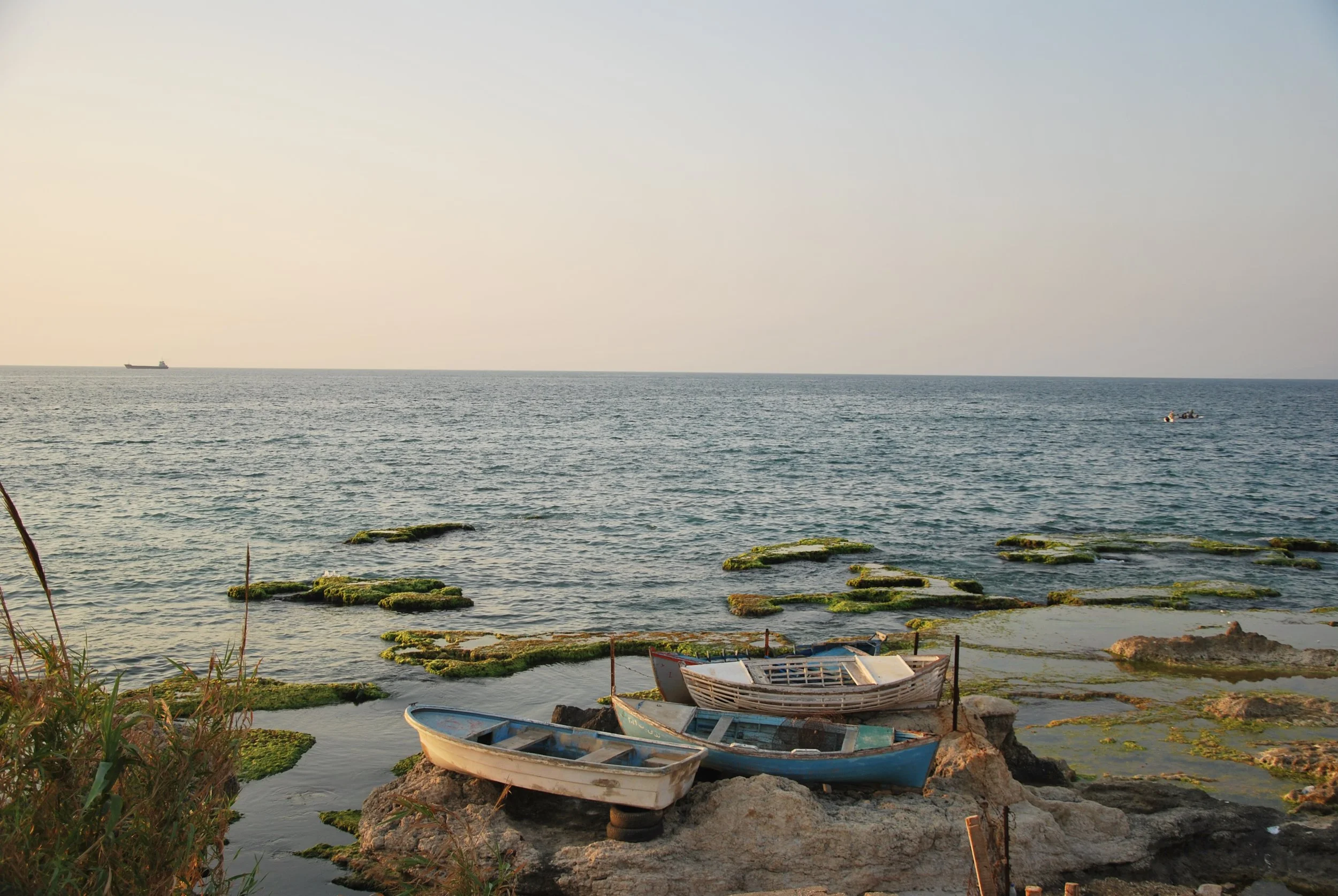
This article draws on fieldwork, interviews, and archival research on the maritime campaign of the International Palestine Solidarity Movement to challenge the embargo on Gaza. I make three main arguments: first, in addressing the Mediterranean Sea as a platform for international solidarity, the Ships to Gaza inadvertently contrived a novel and largely understudied instance of popular politics at sea, which I coin ‘popular thalassopolitics’.

The Mediterranean does not settle easily in predestined critical or cultural location. In immediate terms, contemporary European politics and legislation, concentrated in the figure of the ‘illegal’ migrant, inadvertently expose deeper archives; these invite us to revaluate this body of water and associated histories. Sea water is striated. It follows neither a single history nor a unique map. It is worked up and worked over not only by social, but also by physical, animal and chemical, processes. To insist on these overlapping configurations is to register what exceeds and enriches the picture. Unregistered histories invest, cross and construct unsuspected maritime archives.

PROJECT: Floating Activism & Insurgent Ships (FAIRShips)

In the Kerkennah Islands, life revolves in the orbit of fishing, which is more than just an economic activity; it is rather the backbone of the six-island archipelago, which spans a 100-km coast. A ferry connects Kekennah to Sfax, Tunisia's nearest mainland city and economic capital, making its journey twelve times a day.
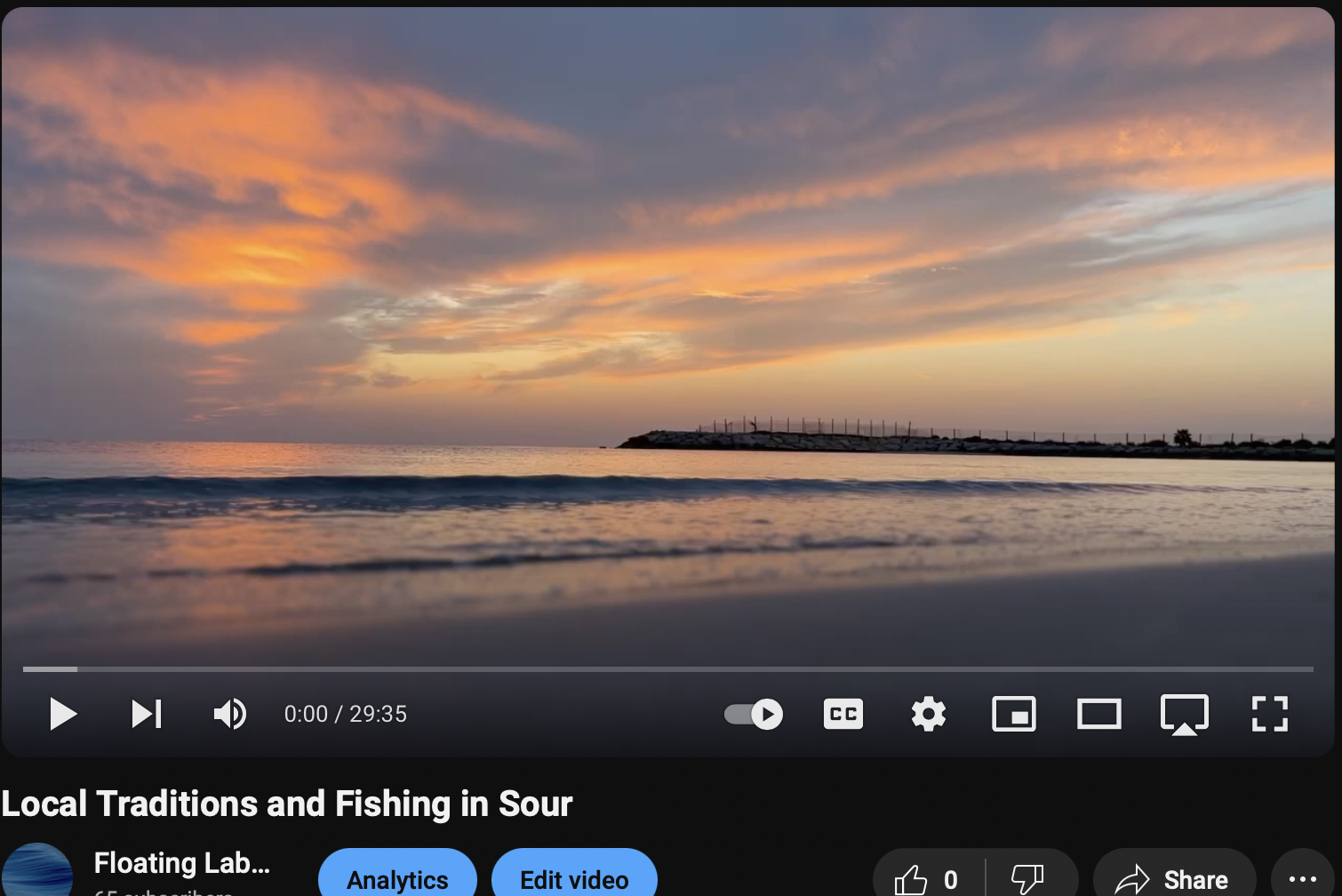

Dr. Rami G. Khouri interviews Dr. Nikolas Kosmatopoulos on DemocraSea Politics. The sea matters in different ways to all the people who share it – in trade, migration, political protest, environmental conditions, labor, and other areas. But its prevailing rules and perceptions, set by modern European powers or centuries-old systems designed in imperial days for much larger oceans, need to be revised.


“Anti-Periplus – Of Other ships” is a pilot anti-tour project by dëcoloиıze hellάş that aims to showcase the “unconventional” seas, focusing on ships on strike, ships in solidarity, ships with political role, ships that carry pirates or migrants. It also aims to creatively deconstruct the cartographic representation as a postcolonial technology that inscribes borders and controls the flows and lives at sea.

Liam Campling and Alejandro Colás’ recent book, Capitalism and the Sea, is an ambitious, systematic, and convincing account of the reciprocal impact of capital upon the salt-water world in the past 400 years. The book is at once an important addition to and a referential text for the rising interdisciplinary field of critical maritime studies – a formidable ocean of research spanning histories of maritime colonialism, including piracy, slavery and revolution, macro-economic approaches to capital circulation in the oceans, studies on borders and border crossers, securitisation and state control over maritime spaces, maritime legalities and materialist perspectives on ports, logistics, chokepoints and labour, as well as ethnographies of marine biologists and maritime activists.

Seaspiracy is a Netflix documentary which raises awareness towards the atrocities committed by the fishing industry towards marine life and laborers at sea. Many influential individuals praised its role in highlighting the effects of seafood consumption, and how the depletion of oceanic waters will make way for irreversible damages towards the earth’s atmosphere. The problem however lies in the lack of solutions provided towards the issues being raised, leaving individuals with one option to counteract the issues being raised, that being veganism, when in reality, such an option does little to counteract the reality of the situation. So, is Seaspiracy truly trying to call for change, or is it nothing more than a propaganda film made by vegan activists?

Changing seas, whether it be in the form of increased acidification, higher temperatures or its rising level, demand a sea change in human-to-human and interspecies interactions. Whatever measures and countermeasures are put in place to reverse, adapt to and/or mitigate effects of climate change, states will no doubt play an outsized role as the most prominent subjects of international law. Yet there has been an expansion of subjecthood to commercial enterprises (arbitration) and the individual human being (criminal law), and there exists a plethora of actors and networks, connections and flows that transcend borders.

With various recruitment efforts underway throughout the industry, this paper poses the following question: To what extent was there a place for women in maritime history ? The aim is to dive into the gender gap on women’s participation and their potential roles in an evolving marine and maritime industry.

In light of the recent Pandora Paper leak, this essay aims to examine the rise and potential fall of the offshore world. Previous literature examines several definitions and classifications of the offshore world as a geographical location, an imaginary legal realm, and as a process for the advancement of class interest. This paper considers the different characterizations and distinctions of this hidden world, through an examination of the history of its rise in relation to the sea and colonialism, and offers insights into the transformation of state relations through the lens of global connectivity and finance.
Welcome to FLOATS
Meet our crew, Learn about our PUBLICATIONS, and stay up to date on our public events.
podcasts
compass

Flows
Lesvos, Greece
A conversation Bridget Anderson (Bristol University), Elisa Kim (Smith College), and Radhika Subramaniam (The New School)

FOLDS
Lesvos, Greece
Conversation between Michael Dodson-Sifnaios (Architect & Artist, Lesvos), Grey Filastine (Artist & Musician, Barcelona), Miriam Ticktin (The New School), and Bridget Anderson (University of Bristol)
REGION
Lesvos, Greece
Moderated by Sarah Green (University of Helsinki) with Heath Cabot & Salvatore Poier (University of Pittsburgh), and Daniela Melfa (University of Catania)

TECHNOLOGIES
Lesvos, Greece
Moderated by Heath Cabot (University of Pittsburgh) with Miriam Ticktin (The New School), Elisa Kim (Smith College)
PEDAGOGY
compass
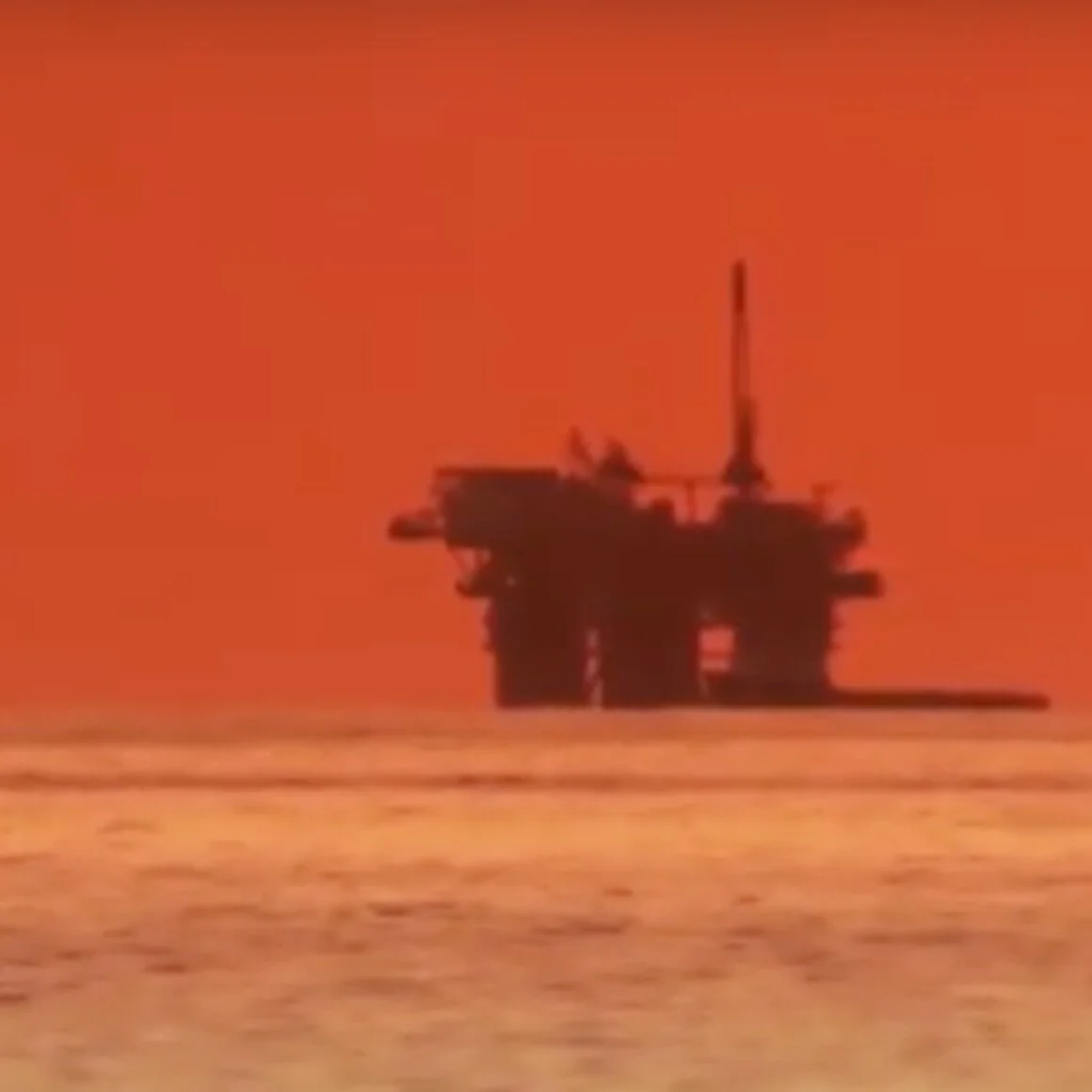

“The article analyses the expansion of commercial shipping and port activity through mixed ecological economics and political ecology perspectives. Focusing on the case of the Port of Barcelona, the article describes how the maritime circulatory processes behind the growth of global economic activity produce seldom accounted-for negative socio-environmental impacts that are unequally distributed at multiple scales. In the context of global ecological breakdown, a ‘blue degrowth’ counter-paradigm is propsed as a reasoned sustainability alternative for the maritime transportation industry”
WATCH
compass
“Anti-Periplus – Of Other ships” is a pilot anti-tour project by dëcoloиıze hellάş that aims to showcase the “unconventional” seas, focusing on ships on strike, ships in solidarity, ships with political role, ships that carry pirates or migrants. It also aims to creatively deconstruct the cartographic representation as a postcolonial technology that inscribes borders and controls the flows and lives at sea.
بوصلة
القائمة

يعتبر المختبر العائم للأفعال والنظريات في البحر، أو كما يطلق عليه بالإنكليزية (FLOATS) ، منصة للتعليم ،والبحوث، والمشاركة الشعبية، والتوعية، والعلوم الإجتماعية للبحر. من أهم أهدافنا الرئيسية، تقديم تعليقات انتقادية مستمرة حول مخاطر الأطر الإقليمية السائدة.

أول اجتماع افتتاحي صيفي في ليسفوس ، اليونان [13-15 يوليو 2018] سيُستكشف هذا التاريخ بشكل عرضي ، بالتناوب عبر الزمان والمكان في الثورة. فيتم جمع الأكاديميين والفنانين والناشطين وغيرهم ، وسنأخذ بعين الاعتبار بشكل جماعي مجموعة متنوعة من التصورات المتخيلة أو المنطقية عن النظام الاجتماعي المثالي من خلال الموقع الأفضلي للبحر. ومن بين الموضوعات التي سنستكشفها معًا هذا الصيف العديد من التحديات الماثلة في الماضي والحاضر ، فضلاً عن الفرص الإبداعية لكل من البحار والشواطئ ، من النفايات البحرية والتدهور البيئي إلى الاحتجاجات في البحر والمستودعات البحرية المستقبلية ، ومن ممارسات العمل و الترفيه لواقع اللاجئين والثوار في البحر الأبيض المتوسط وعبره ، على سبيل المثال لا الحصر
*لغة العمل هي اللغة الإنكليزية. المشاركة مجانية ومفتوحة للجميع

يعتبر المختبر العائم للأفعال والنظريات في البحر، أو كما يطلق عليه بالإنكليزية (FLOATS) ، منصة للتعليم ،والبحوث، والمشاركة الشعبية، والتوعية، والعلوم الإجتماعية للبحر. من أهم أهدافنا الرئيسية، تقديم تعليقات انتقادية مستمرة حول مخاطر الأطر الإقليمية السائدة.
نأخذ على محمل الجد فكرة كلمة "عائمة" سواء من حيث حالة الأشكال المتحركة المعاصرة، وفكرة انعدام الجذور التي يعرضها فضاء البحر، أو كوسيلة لتشجيع سلسلة من "المحادثات العائمة" عبر التحديات القديمة الملحة، والحالية. بالإضافة إلى الفرص الإبداعية للبحار والشواطئ
وبذلك يجتمع الأكاديميون، والفنانون، والناشطون، وغيرهم، ويتم تداول الموضوع بشكل متسلسل عبر البحار. متوقفين في عدة مدن رئيسية ومواقع على طول الطريق لإستضافة سلسلة من الجلسات الإفتتاحية، والمناسبات العامة
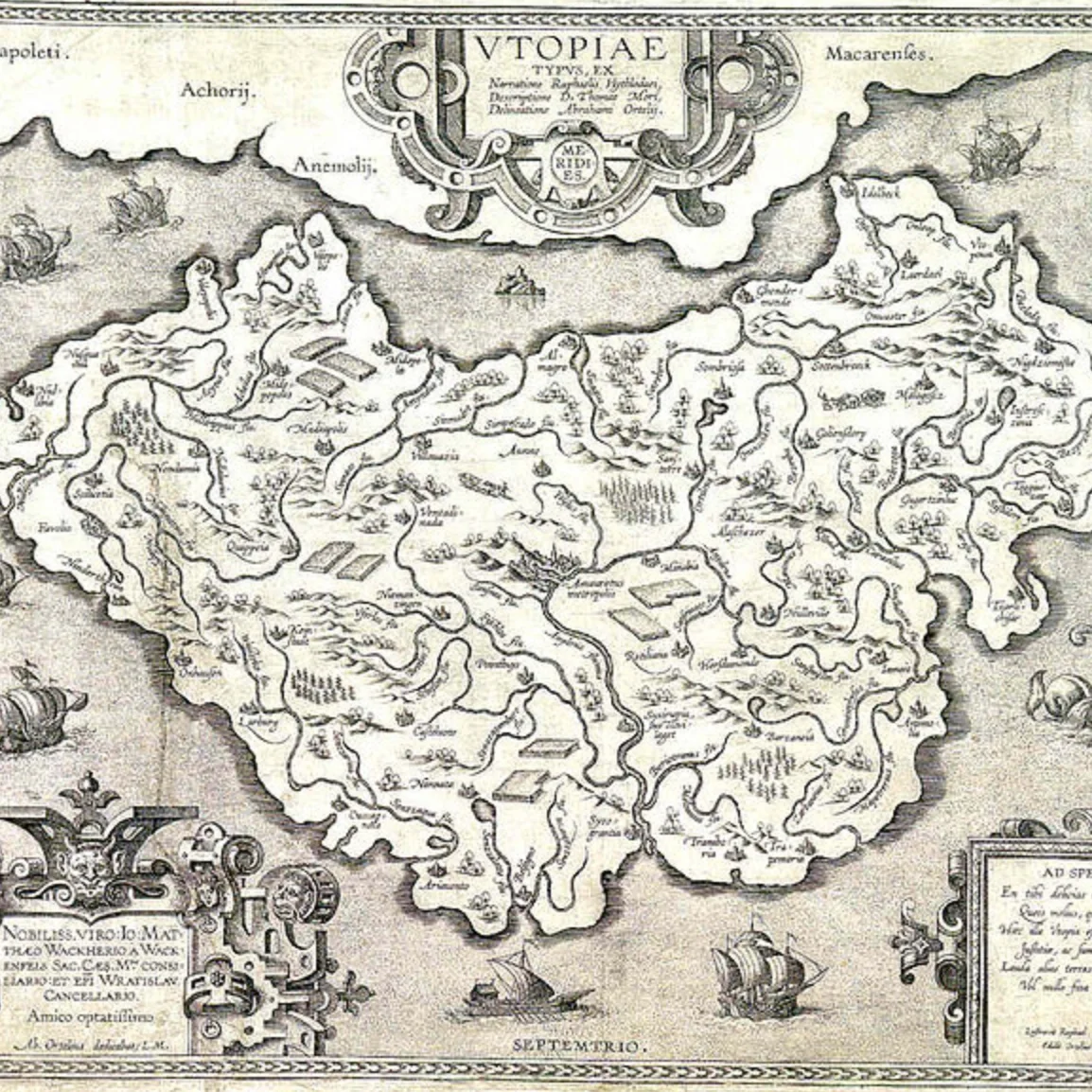
إن فكرة تحديد موقع المجتمع المثالي مبنية على مفاهيم قديمة ذات أصول بشرية، أو على العكس ، غاياتها. إن تتبع هذه الحلقة عبر عدد من الفترات والأماكن ، يستكشف هذا التاريخ بشكل عرضي. حيث ينظر إلى تصورات متخيلة أو منطقية للمجتمع المثالي عبر عدد من التقاليد المنطقية والأنواع النصية، من الحسابات الأسطورية والجدلية إلى الخيال العلمي المستقبلي والبيانات الثورية. كما أنه يستكشف الطابع الغامض عادة للمدينة الفاضلة ، أو التفاعل بين المدينة الفاضلة والواقع المرير: إما كرؤى للنظام والفوضى ، والخلق والتشويش ، أو الارتفاع والانحدار. بالنظر إلى التاريخ الطويل للمدينة الفاضلة، يدرس المقرر كيف كانت هذه الرؤى أساسية ، ليس فقط لمختلف المفاهيم التاريخية واللاهوتية للوقت وللفلسفات والحركات السياسية الرئيسية المختلفة ، ولكن أيضا لمجموعة متنوعة من العقود المستقبلية المتخيلة.
η λίστα
Featured
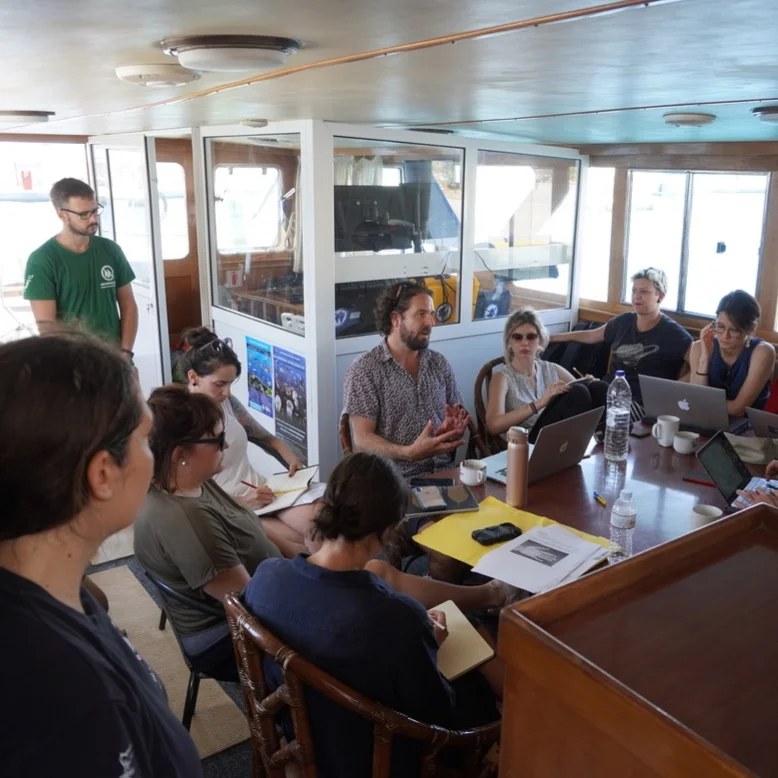
Ολοκληρώθηκε εχθές η τριήμερη συνάντηση εργασίας ανάμεσα στο Ινστιτούτο Θάλασσας Προστασίας Αρχιπέλαγος και τo διεπιστημονικό δίκτυο FLOATS (το Πλωτό Εργαστήριο για την Δράση και Θεωρία στη Θάλασσα – Floating Laboratory for Action and Theory at Sea). Το“Aegean Explorer” φιλοξένησε τη συνάντηση εν πλω στο ανατολικό Αιγαίο.

Read
Featured
Although the imperial ship has been a key location through which to theorize colonialism and the origins of racial capitalism, little research exists on the postcolonial ship as an analytical indicator for the persistence and distinctiveness of contemporary racial capitalism. This article explores a largely uncharted territory through a critical appraisal of postwar Greek‐owned shipping.
This article draws on fieldwork, interviews, and archival research on the maritime campaign of the International Palestine Solidarity Movement to challenge the embargo on Gaza. I make three main arguments: first, in addressing the Mediterranean Sea as a platform for international solidarity, the Ships to Gaza inadvertently contrived a novel and largely understudied instance of popular politics at sea, which I coin ‘popular thalassopolitics’.
The Mediterranean does not settle easily in predestined critical or cultural location. In immediate terms, contemporary European politics and legislation, concentrated in the figure of the ‘illegal’ migrant, inadvertently expose deeper archives; these invite us to revaluate this body of water and associated histories. Sea water is striated. It follows neither a single history nor a unique map. It is worked up and worked over not only by social, but also by physical, animal and chemical, processes. To insist on these overlapping configurations is to register what exceeds and enriches the picture. Unregistered histories invest, cross and construct unsuspected maritime archives.
Newsletter Block
This newsletter signup form needs a storage option. Edit the block and enter a storage location via the Storage tab.
Stay in the Know
Follow us
@floats_sea